
Life on Autopilot: Open-Source Schedulers Meet Everyday Scripts
Today we explore automating personal workflows with open-source schedulers and scripts, turning repetitive chores into dependable background helpers that quietly deliver results. From morning routines to backups, from note-taking to photo sorting, you will learn approachable patterns, tools, and habits that scale with your curiosity. Expect practical examples, honest lessons learned, and gentle nudges toward better reliability, maintainability, and joy. Ask questions in the comments, share your experiments, and subscribe if you want new automation ideas that respect your time without stealing your weekends.
Start Small: Turning Repetition Into Reliable Routines
Sustainable automation begins with the tiniest friction you feel every day. Identify a routine you repeat constantly, measure the risks of letting a machine do it, and design a result you can verify in seconds. A quick win builds trust and momentum. Once a simple loop runs safely, you can add notification hooks, better logging, and lightweight recovery. Share your first win with us, because celebrating progress—no matter how small—reinforces the habit of thoughtfully improving your digital life.
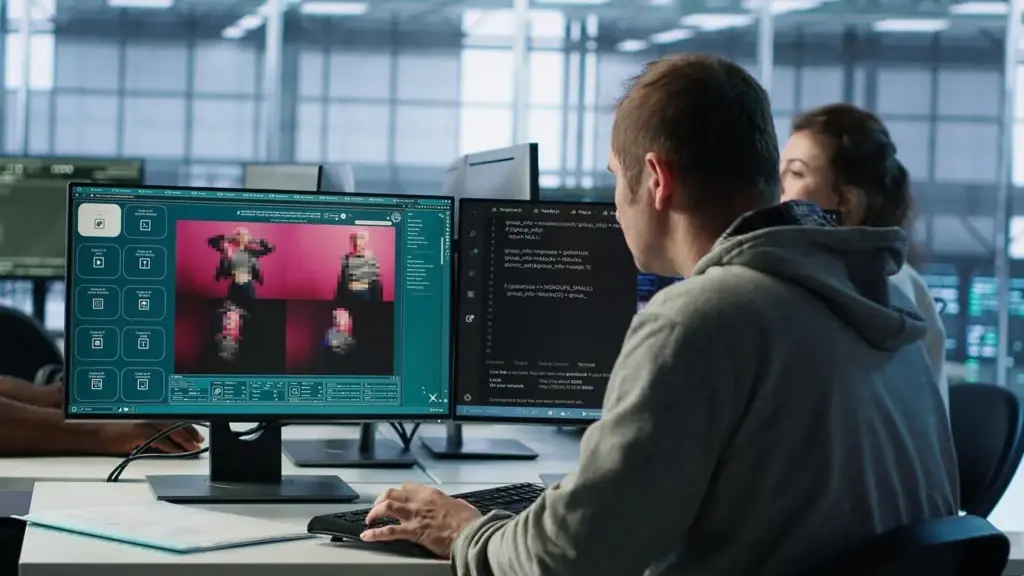
Cron and Systemd Timers Without Tears
Classic schedulers are powerful, but small nuances can make or break reliability. Cron’s sparse environment surprises many newcomers, while systemd timers offer better logging, dependencies, and calendar expressions that read like real dates. Keep configurations version-controlled, write self-documenting timers, and centralize logs for quick triage. Use comments generously, record assumptions, and test at accelerated intervals before trusting daily cadence. Share lessons in the discussion so others avoid the same gotchas and gain confidence faster.

Orchestrating With n8n, Node-RED, and Airflow at Home
Visual and DAG-based orchestrators can make complex automations feel approachable and debuggable. n8n and Node-RED shine for event-driven flows and friendly UIs, while Airflow’s DAGs bring rich scheduling, dependencies, and retry semantics to ambitious home labs. Containerized deployments keep upgrades predictable and reversible. Start small, connect a few building blocks, and observe logs in one place. Post screenshots of your favorite flows and share what surprised you most when your graph finally clicked.




Idempotence: the art of doing it twice without regret
Anchor workflows on stable identifiers, checksums, or timestamps so reruns either skip cleanly or correct gently. Write to temporary files before atomic moves, and validate preconditions before touching state. Use safe append patterns, transactional databases, or content-addressable storage where possible. This mindset prevents duplicate notifications, corrupted archives, and mysterious drift. Practice by reprocessing a photo folder without creating duplicates. Confidence in reruns unlocks faster iteration and easier recovery from partial failures.

Retries with backoff and well-behaved exits
Not all errors are equal. Distinguish between transient issues like flaky networks and permanent failures such as invalid credentials. Implement retries with jittered backoff and cap attempts to avoid storms. Return exit codes that schedulers can interpret, and capture structured error details in logs. Consider a dead-letter queue for stubborn cases requiring attention. Well-behaved failures transform chaos into a clear checklist, making maintenance calm and measurable instead of fraught with surprises.
Files, Photos, and Notes That Sort Themselves
Personal content workflows shine with a little structure. Automate backups that you can restore quickly, enrich media with metadata, and nudge notes into places where they resurface naturally. Use open-source tools that keep data portable and formats friendly. Build pipelines that transform, validate, and verify, not just move bytes. Share your favorite routine, whether it is saving annotated screenshots, extracting highlights from articles, or publishing a weekly digest that always arrives on time.
Backups that restore as easily as they run
Use restic or BorgBackup to create encrypted, deduplicated archives to local disks and remote targets. Rotate keys wisely, test restores on new machines, and record commands in a simple checklist. Schedule regular integrity checks and space audits. Prefer predictable folder structures over cleverness, and tag snapshots clearly. A backup is only real when a restore succeeds calmly on a stressful day. Tell us how your last restore test went and what surprised you.
Media pipelines that enrich memories instead of burying them
Combine exiftool, ffmpeg, and lightweight scripts to normalize naming, correct timestamps, and generate friendly formats for sharing. Create sidecar metadata for edits so originals remain pristine. Add duplicate detection based on hashes, not just filenames. Generate albums or story pages automatically, and push previews to a private gallery. When your library organizes itself reliably, you spend time reliving moments, not hunting folders. Share your favorite command that turned chaos into calm beauty.
Notes that resurface when future you needs them
Adopt Joplin or another open-source note system that syncs across devices and plays nicely with plain text. Write scripts that add tags, link related notes, and generate a weekly review digest. Archive stale entries with context rather than deleting. Pair scheduled prompts with saved searches to rediscover ideas at the right moment. Notes become a living partner when retrieval is automatic and lightweight. Tell us your cleverest tag that keeps ideas orbiting instead of drifting away.
Security, Privacy, and Respect for Your Future Self
Good automation protects secrets, minimizes data exposure, and communicates intent clearly to whoever inherits it later, which is probably still you. Use encryption for backups, guard credentials carefully, and avoid unnecessary third-party data sharing. Document configuration, failure modes, and recovery steps where you actually look. Build small tests that flag risky changes before they land. Share your favorite safeguard so others can borrow it and make their setups safer without slowing their progress.
Store credentials with pass, gopass, or sops, and decrypt only at runtime. Prefer short-lived tokens over static passwords, and rotate keys on a sensible cadence baked into schedules. Keep secrets out of logs and avoid leaking paths that reveal structure. Test failure messages for accidental exposure. Choose guardrails that add minimal friction so you actually keep them. Security that fits daily habits survives; anything else gets ignored until the worst possible moment.
Collect only the information your workflow truly needs, and prefer local processing when feasible. Strip metadata from shared files, and anonymize logs that may be reviewed later. Self-host where it meaningfully reduces risk, and review default settings that phone home. Be intentional with webhooks and outbound notifications. A little restraint amplifies trust, especially when you invite collaborators or family. Share a small change that dramatically reduced exposure without sacrificing the convenience you enjoy.
Place a short README next to each script with purpose, inputs, outputs, schedules, and failure expectations. Include example commands and a rescind switch to undo changes. Favor consistent naming and directory structures so discoverability becomes obvious. Add comments that explain reasons, not just mechanics. A single index page linking to logs and dashboards prevents late-night scavenger hunts. Documentation is kindness to your future self; a few clear paragraphs can save entire evenings of confusion.

From Solo Tinkerer to Community Contributor
Open-source thrives when we share reusable pieces, thoughtful questions, and small improvements. Package scripts with clear flags, write a friendly README, and choose a permissive license that matches your intent. Post minimal reproducible examples when you get stuck and link logs that matter. Celebrate wins, report bugs kindly, and review pull requests with empathy. Tell us how you plan to share your next automation, and we will spotlight inspiring projects in future updates.
All Rights Reserved.